Soil Grinder Machine
Soil Grinder Machine
Soil sample preparation is a critical step in laboratory testing, directly impacting analytical accuracy and repeatability. Traditional methods rely on manual drying, grinding, crushing and sieving to achieve a representative sample, often introducing variability and limiting throughput.
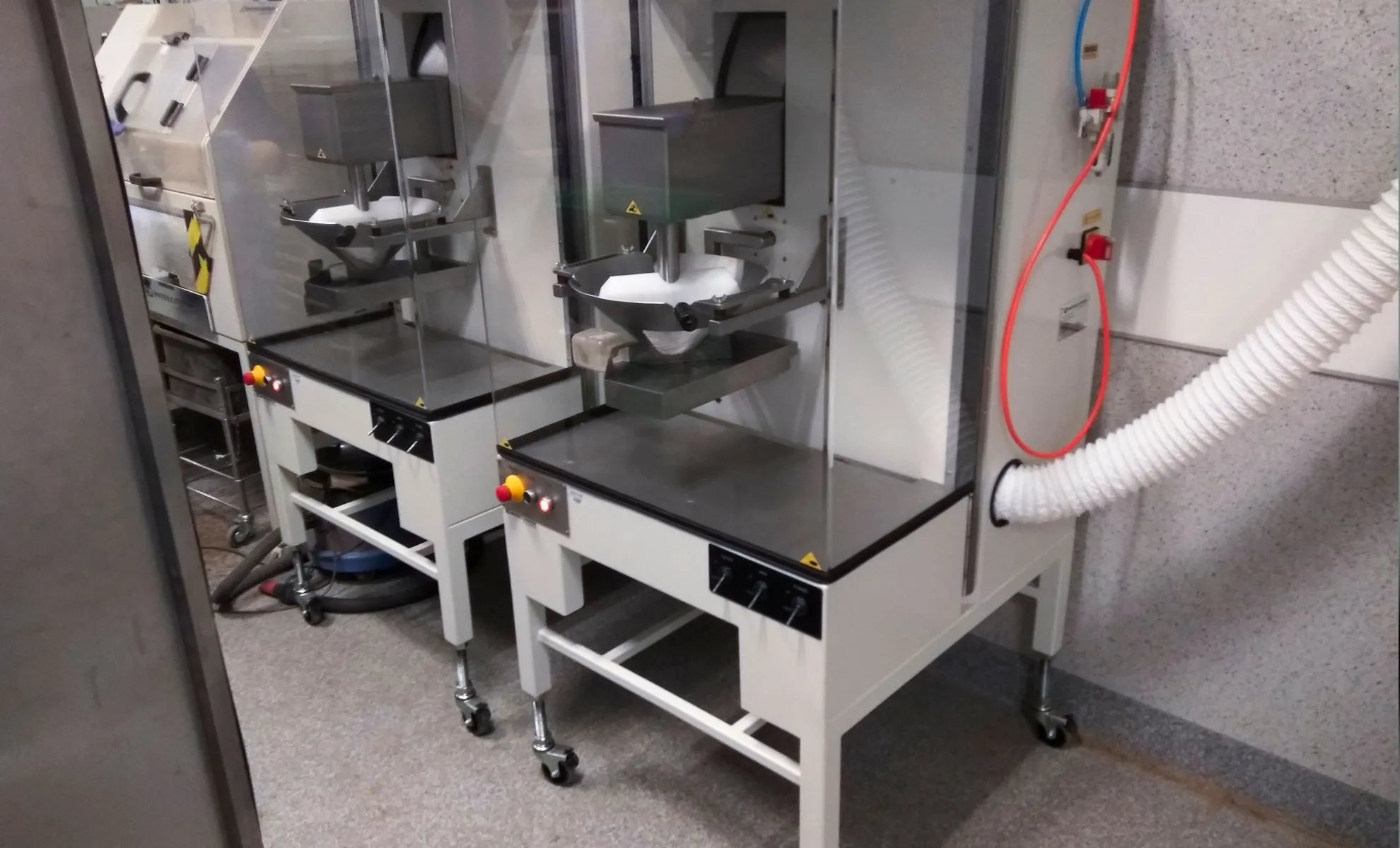
Unlike other soil grinders that aggressively crush and pulverise samples, the Motion Design soil grinding machine is specifically designed to protect natural soil structure. By utilising a controlled-speed combined with an optimised grinding mechanism, the system gently but effectively standardises sample preparation workflows without altering the true particle size distribution. It improves soil homogenisation by delivering consistent particle size reduction across both wet and dry samples for high-throughput testing and environmental laboratories, drastically reducing manual handling while improving overall sample consistency.
Key Benefits
- Improves sample homogenisation and consistency
- Reduces manual handling, helping to reduce operator fatigue and RSI risk.
- Increases laboratory throughput
Streamlines the sample preparation workflow, removing a common bottleneck before analysis. - Reduces variability between operators - standardising processing
- Improved safety and cleanliness - by removing dust from dry samples
Find out more: Contact Us
Key Features
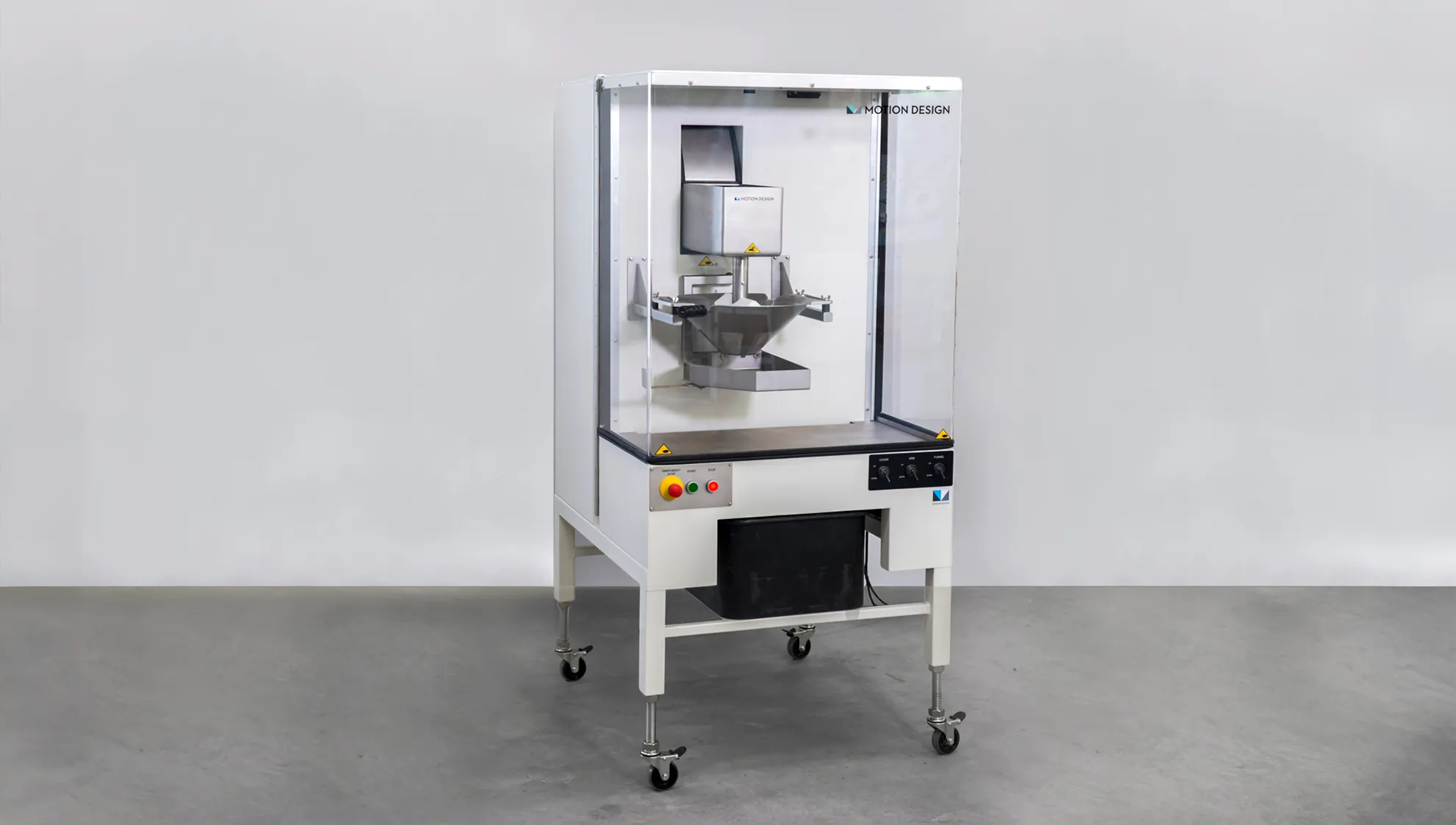
- Designed for soil sample preparation
- Processes field-moist and air-dried samples
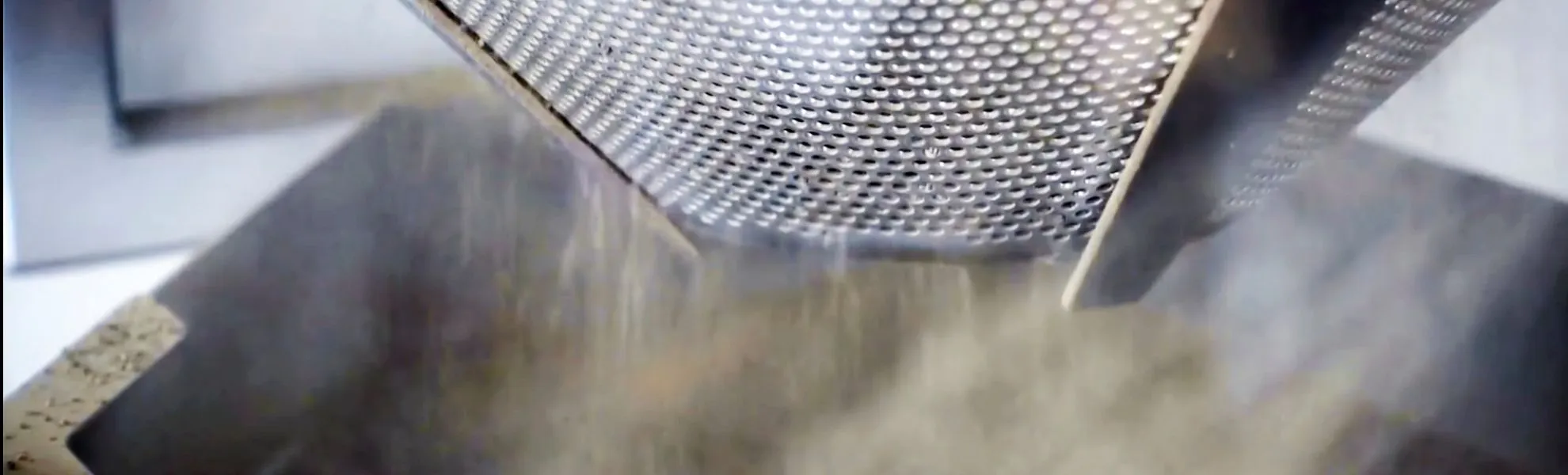
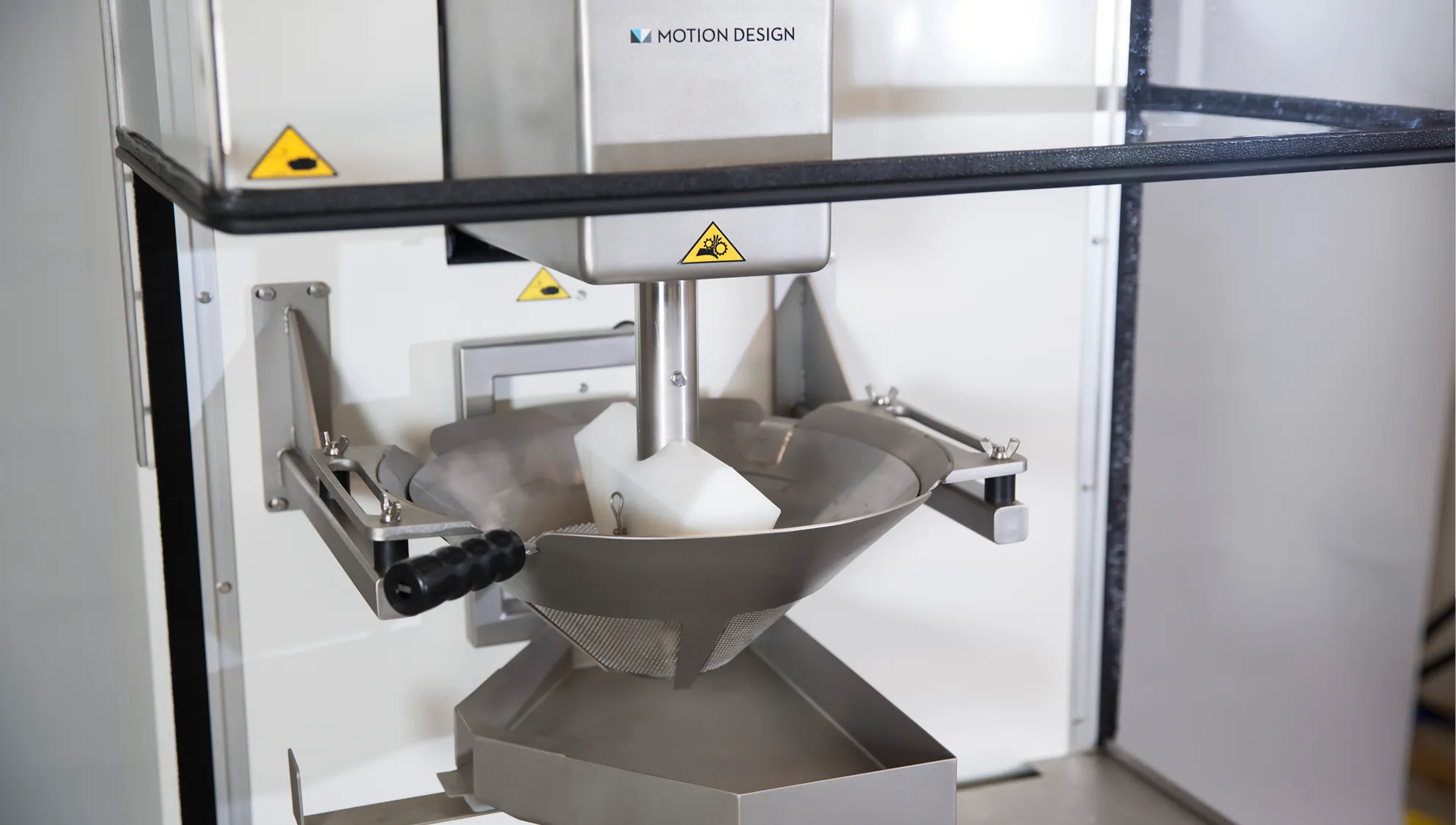
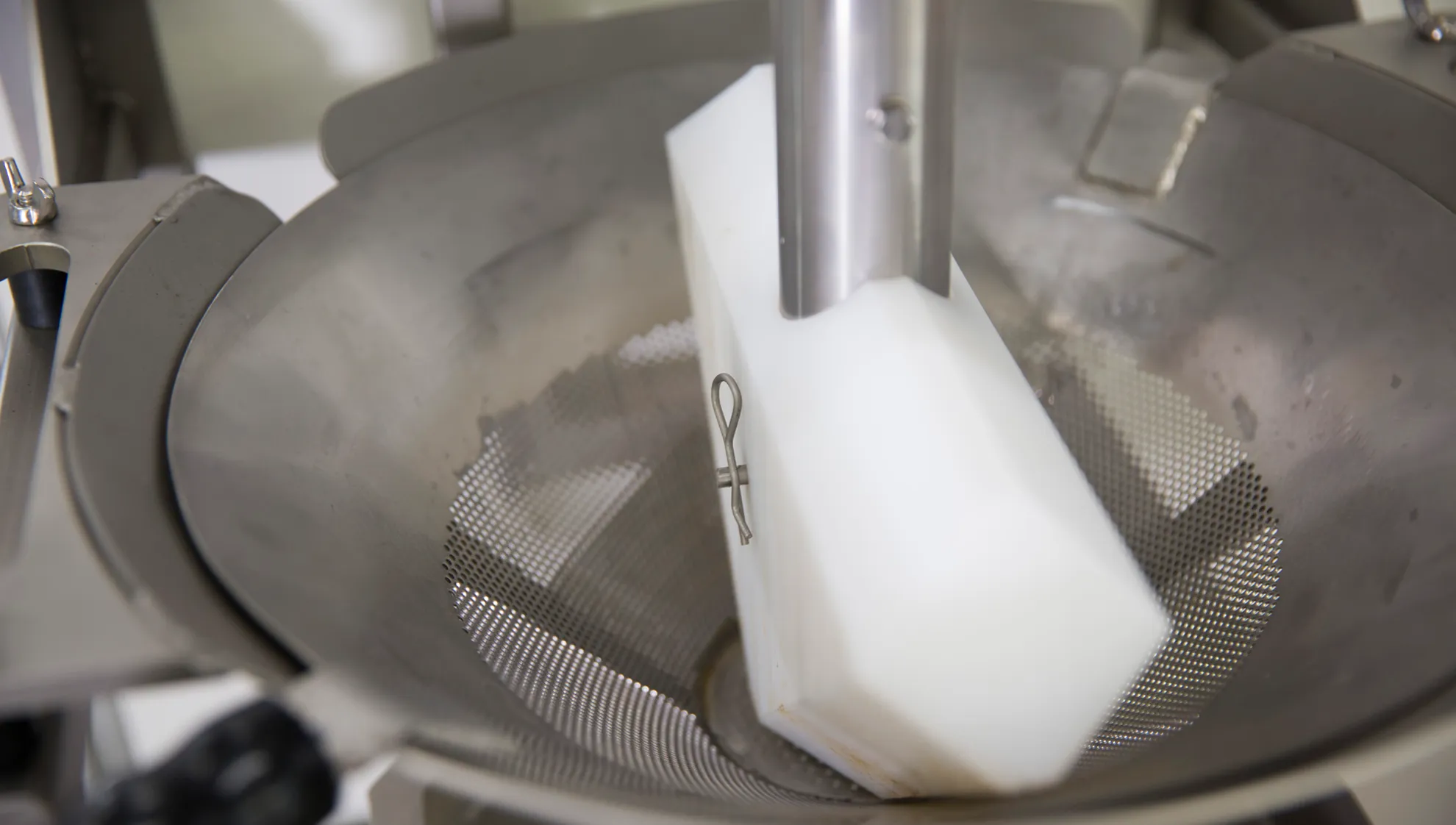
- Adjustable particle size output via interchangeable stainless mesh cones
- Enclosed grinding chamber for dust containment
- Vacuum extraction connection
- Automatically dispenses processed sample into collection pottle
Laboratory Process Overview
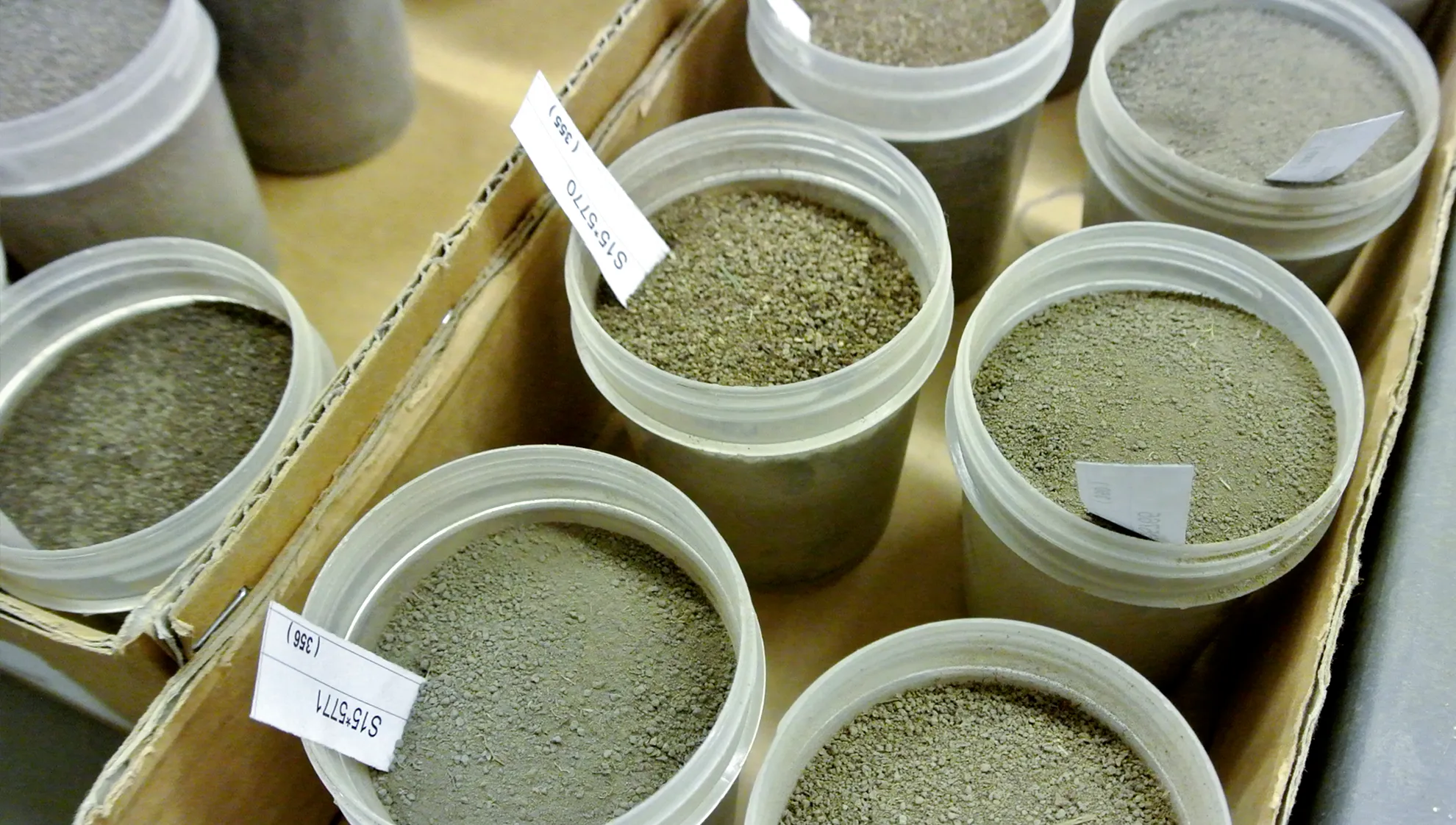
Soil samples are loaded into the system by lab technicians and processed according to their condition. Field-moist samples are ground to achieve effective homogenisation, while air-dried samples are ground and sieved to a consistent particle size using interchangeable mesh cones. The dust hood is closed prior to operation and the machine is connected to a vacuum extraction system to remove any dust during operation.
Once processed, the prepared sample is discharged directly into a pottle for sub-sampling and further laboratory analysis.
Technical Information
Throughput | 1m per cycle (approx) |
Particle size | Comes with 2mm / 4mm interchangeable sieves (other sizes on request) |
Dust Extraction | Lab supplied. Recommended - 20m/s extraction |
Peak Operating Noise | 76dB at 1 metre |
Power | 220 - 240 VAC ± 10%, 50 - 60 Hz 10A |
Services required | Compressed air > 6 bar, clean and oil-free |
Dimensions | 800W x 900D x 1500H |
Weight | ~220kg (approx) |
Standards | AS/NZS 4024:2014, IEC60204-1:2016, ISO 13849-1:2015, Regulation 2023/1230/EU - Machinery |
Note: Specifications above subject to change without prior notice